

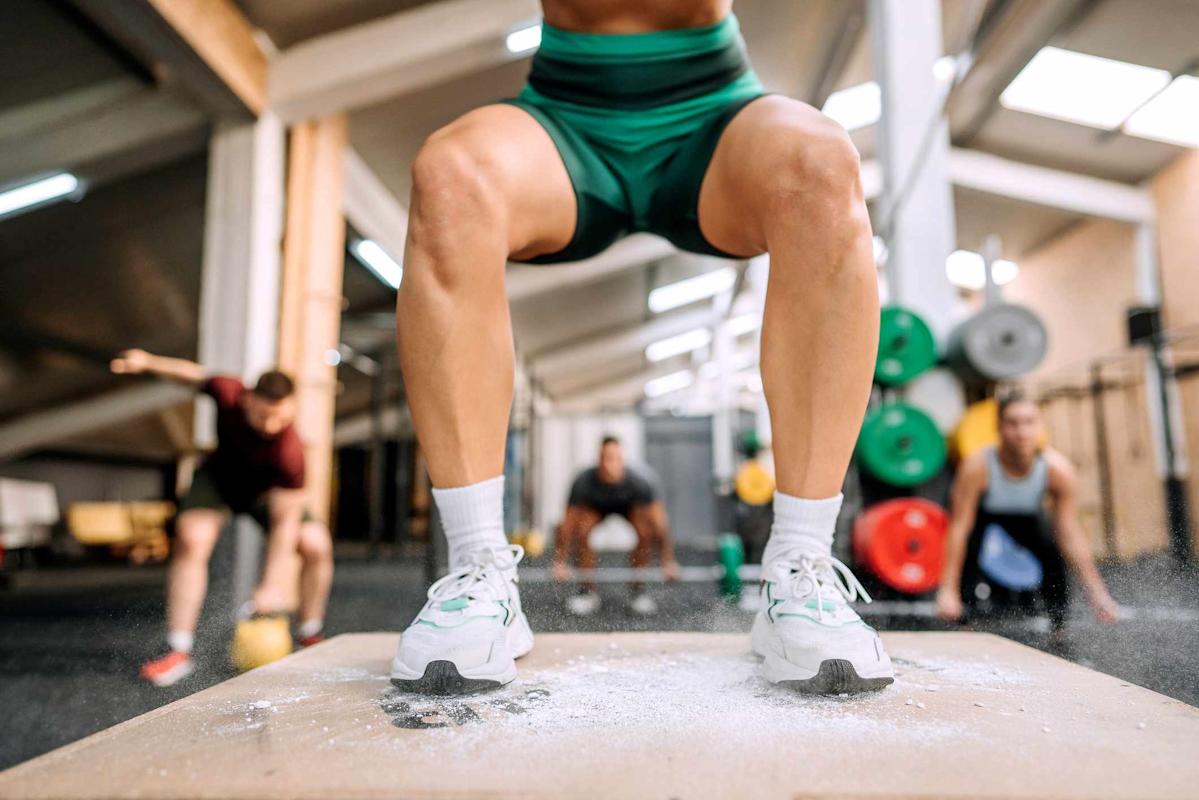
If your knee pain keeps coming back, even after rest, you may be missing the real cause.


Dr. Jacob Tomlinson
Physical Therapist
Why Your Knee Pain Keeps Coming Back
Knee pain is one of the most common problems we see at Ascend Physical Therapy.
Many people try resting, icing, or avoiding activity to let the knee “heal.”
But then something frustrating happens.
The pain goes away for a while…
Then it comes right back.
If this sounds familiar, you’re not alone.
Most recurring knee problems aren’t caused by a single injury. It’s usually the result of movement patterns, weakness, or joint overload that never fully gets addressed.
Not sure what’s actually causing your knee pain?
We created a quick Knee Pain Quiz that helps identify the most common movement patterns behind recurring knee pain.
It takes less than 60 seconds and gives you exercises tailored to your situation.
The Problem With Just Resting Your Knee
Rest can help calm irritation temporarily.
But it rarely fixes the underlying issue causing knee discomfort.
In many cases, the knee becomes painful because of:
- Weak muscles around the hip and leg
- Poor movement mechanics
- Sudden increases in activity
- Overloading the joint repeatedly
When the real cause isn’t addressed, the pain returns as soon as you resume normal activity.
Common Signs Your Knee Pain Will Keep Returning
You might notice a pattern like this:
- Pain improves after rest
- Pain returns when exercising
- Squats or lunges trigger discomfort
- Running causes knee soreness
- The knee feels stiff after sitting
These are signs that the joint is being overloaded, not just temporarily irritated.
Why Strength Matters for Knee Pain
The knee does not work alone.
It relies heavily on the muscles around the hips, glutes, and thighs to absorb force during movement.
When these muscles are weak or not activating properly, the knee absorbs more stress than it should.
This can lead to problems like:
Strengthening these muscles helps redistribute forces so the knee can move more efficiently.
The Role of Movement Mechanics
Another common cause of recurring knee discomfort is movement mechanics.
For example:
During squats or lunges, the knee may collapse inward or shift forward too much.
Over time, this repeated stress irritates the joint structures and leads to persistent pain.
Correcting these patterns can dramatically reduce knee strain.
How Physical Therapy Fixes Recurring Knee Pain
At Ascend Physical Therapy, the goal is not just to reduce pain.
The goal is to fix the root cause of the problem.
Treatment typically focuses on:
Movement Assessment
Understanding how your body moves during squats, lunges, walking, and other activities.
Strength Development
Building strength in the hips, glutes, and legs to support the knee joint.
Load Management
Gradually increasing activity levels so the knee can adapt safely.
Movement Retraining
Teaching proper mechanics for exercises and everyday movement.
When You Should See a Physical Therapist
You should consider seeing a physical therapist if:
- Knee discomfort keeps returning
- Exercise triggers discomfort
- The knee feels unstable or weak
- Pain has lasted longer than a few weeks
Addressing these issues early can prevent long-term damage and help you stay active.
Fix the Cause. Not Just the Pain!
At Ascend Physical Therapy in Hendersonville, Tennessee, we commonly see patients whose knee pain keeps coming back despite rest.
Recurring knee discomfort can be frustrating, but it usually has a clear underlying cause.
When strength, movement, and load management are addressed properly, the knee can recover and become more resilient.
If knee pain is limiting your activity, working with a physical therapist can help you get back to moving confidently again.
Still not sure what’s causing your knee discomfort?
Our Knee Pain Quiz helps identify the most common patterns behind recurring knee problems and recommends exercises that match your situation.
Hours
Monday – Friday
8:00 am – 6:00 pm


Leave a Reply