

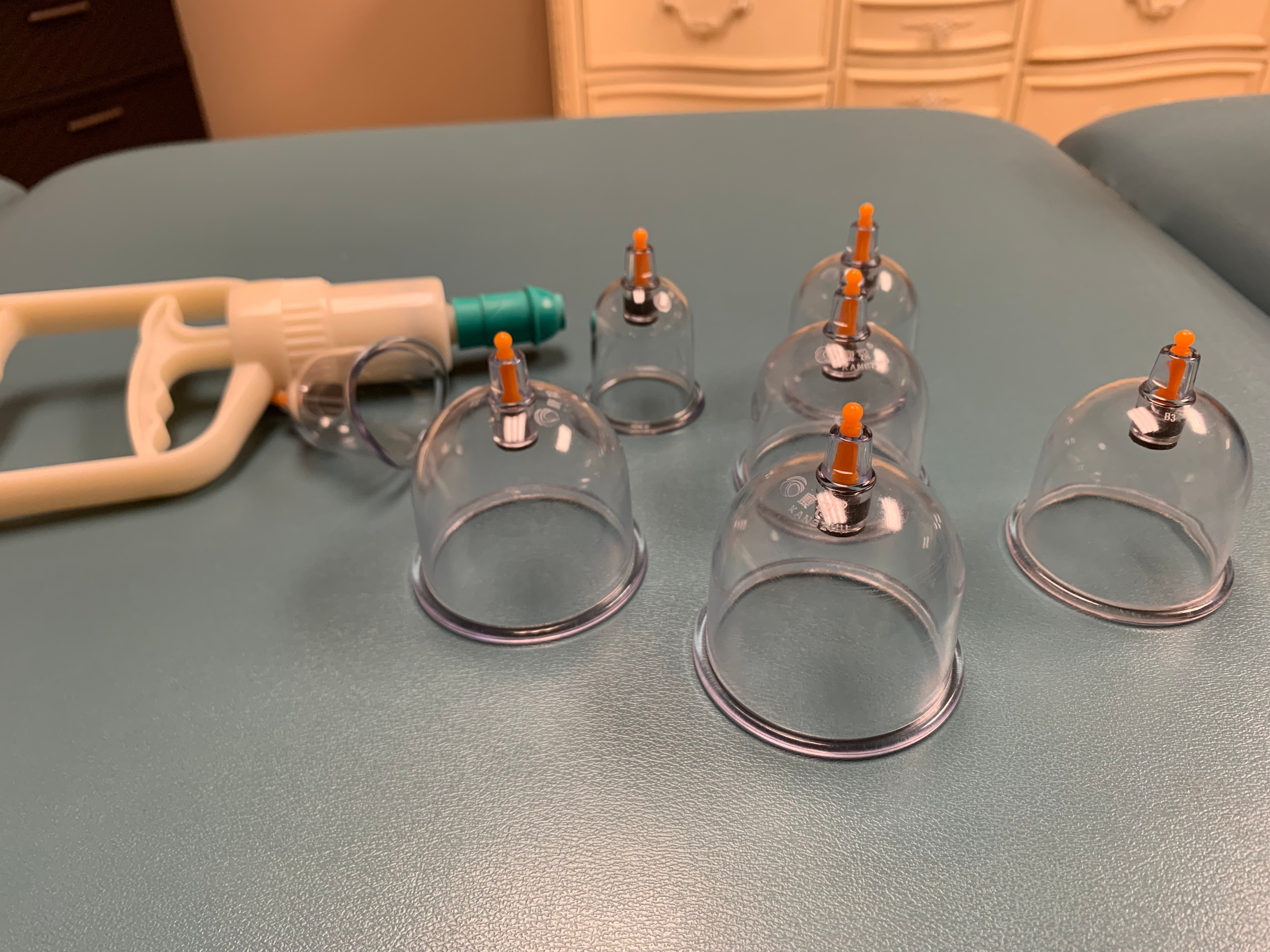
5 Benefits of Cupping Therapy You Need to Know
Yes, it looks weird. No, it’s not just for Instagram
You’ve seen the photos: those circular bruises that scream “I lost a fight with an octopus.” But cupping is more than a TikTok trend or recovery badge of honor—it’s a powerful therapy that’s been used for centuries for relieving pain, improving range of motion, and even helping to cure illnesses.
At Ascend Physical Therapy, cupping plays a huge role in helping our clients do what they love with those they love the most. Here’s 5 reasons why this ancient therapy still earns a spot in my modern toolkit.
Go to this post to learn the basics about cupping!

Pain Relief
Pain is the number one reason people walk (or limp) into the clinic. Whether it’s that nagging low back that flares up during deadlifts, a stiff neck from too much screen time, or a headache that just won’t quit, cupping has been shown to help decrease pain by increasing circulation and decreasing muscular tension. The suction helps reduce pressure and inflammation in tight or overworked areas by pulling blood to the surface, flooding the area with nutrients and oxygen, and promoting muscle relaxation.
There’s solid evidence behind its use, too. Systematic reviews and meta-analyses show that cupping is effective for chronic back and neck pain, especially when paired with other treatments like functional strengthening, dry needling, and spinal manipulation. What I love about cupping is that it provides both immediate relief and the potential for longer-term benefit when included in a comprehensive plan.
Boosts Your Range of Motion
Cupping can also help improve your range of motion, making it easier to squat below parallel, reach overhead, or playing with your kids on the floor. Instead of compressing the muscles (like traditional massage), cupping lifts the skin and fascia away from the underlying muscles. This creates space for gliding, reduces fascial restrictions, and helps restore the normal sliding of muscles and tendons.
What’s even more exciting is the benefit of cupping with movement—where we actively engage the muscle during the treatment. This dynamic approach helps re-educate the nervous system while improving tissue glide and mobility. Cupping can be the unlock you didn’t know you needed and is especially helpful before workouts and after long travel days.
Speeds Up the Healing Process
Healing takes time—but sometimes, your body needs a little kick in the pants. Cupping speeds up recovery by increasing local blood flow, enhancing lymphatic drainage, and stimulating fibroblast activity (which helps repair damaged tissues). These fibroblasts help produce collagen and repair connective tissue, especially in areas that have been overused, strained, or neglected for far too long.
The mechanical stress from the suction also triggers a mild inflammatory response—that’s a good thing here—which signals the body to start the clean-up and rebuild process. Combined with proper loading and movement-based rehab, cupping helps break the chronic pain cycle by reintroducing circulation and neurosensory input to cranky tissues. So whether you’ve got an old hamstring pull that never quite healed or a shoulder that’s just been “meh” for a while, cupping might be the nudge your body needs to heal the right way.
Targets a Wide Range of Conditions
Cupping is not a one-trick pony. It can be used to treat a wide variety of conditions ranging from the everyday stuff (low back pain, neck tightness, post-workout soreness) to more complex issues like nerve entrapments and chronic inflammatory pain. I’ve used it for everything from saphenous neuralgia to IT band syndrome to carpal tunnel—often with faster results than standard manual therapy alone.
The versatility comes from the fact that cupping affects both the musculoskeletal and nervous systems. Whether we’re going after soft tissue, improving circulation, or altering how the brain perceives a painful area, cupping provides multiple layers of benefit. And for patients who’ve been stuck in a loop of medications, stretching, and “resting,” it often gives them the first noticeable shift in symptoms. If you’re tired of hearing “just stretch more” and getting nowhere, cupping might just be your breakthrough.
Safe and Non-Invasive
One of the biggest upsides to cupping is its safety profile. No drugs, no needles, no invasive procedures. For most people, the side effects are minimal. Mild bruising is common (and honestly expected), but it’s not painful. Some folks even find the sensation comforting—like a reverse massage that calms down your nervous system.
As with any technique, there are precautions. But for the majority of patients, cupping is a safe, well-tolerated option that fits perfectly into an active rehab or performance plan. And yes—it still works even if you think it looks weird.
Final Thoughts
Cupping is more than just a recovery trend or a quirky side of Instagram rehab. It’s a powerful tool that can help speed up your recovery and get you back to doing what you love with those you love the most. Whether you’re an athlete trying to recover faster, a busy parent with tension headaches, or just tired of feeling stiff all the time, cupping can help you move and feel better.
Want to try cupping therapy? If you’re in the Hendersonville, TN area, book a discovery call to qualify!

Leave a Reply